Despite being a doctor, I still struggle to keep a healthy lifestyle. Like many Americans, I swing between healthy streaks—cutting carbs, hitting the gym daily—and backslides into fast food and late nights. Improvement doesn’t follow a straight line.
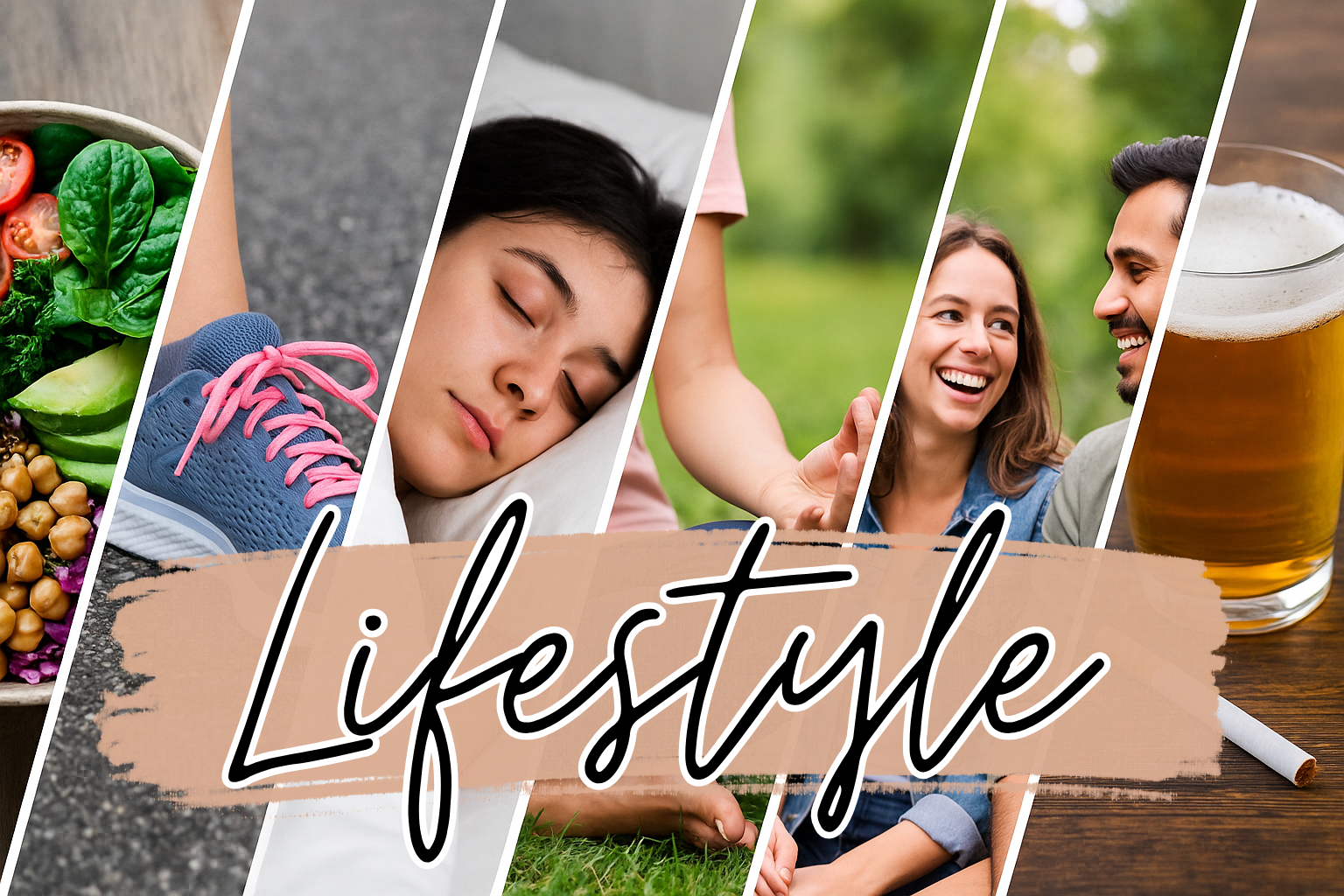
Nevertheless, I’m making another run at building sustainable daily habits. This time, I’m using the resources of the American College of Lifestyle Medicine (ACLM), which highlight six “pillars” of health: diet, exercise, sleep, stress management, substance use, and social connection. All of them work together, which makes change challenging but powerful.
The best way to succeed in such change is to make small steps in the right direction. In order to do that, you have to know which direction is right. Here’s where to start.
Eat More Plants
We all know diet matters, but the ACLM’s recommendation is more plant-heavy than most expect: 75–95% of food intake should be unprocessed plants—fruits, vegetables, legumes, mushrooms, nuts, and seeds. Whole grains are excellent too, especially compared to their refined cousins.
Personally, I used to think a meal wasn’t complete without meat at the center and cheese on top. A sprinkle of parmesan or small portion of meat is fine, but it’s easy to go overboard without realizing it.
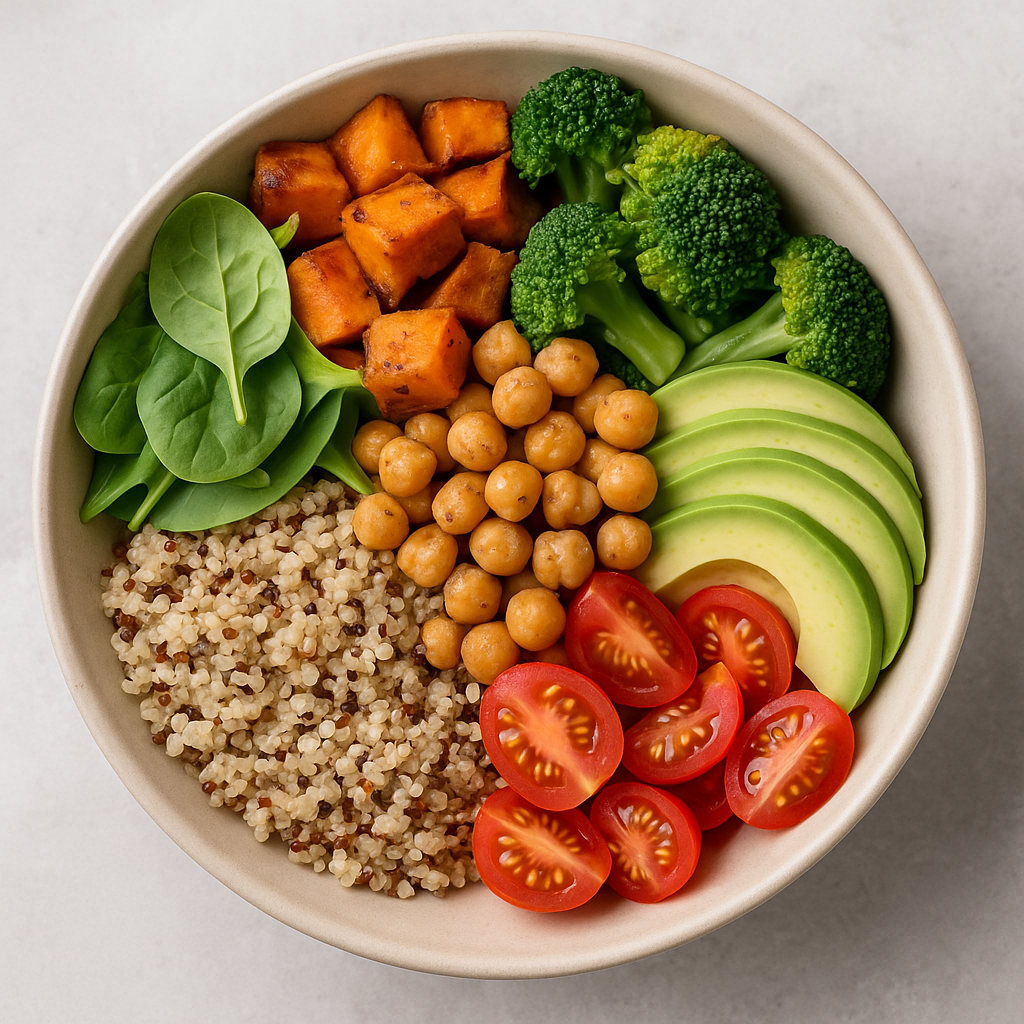
A simple go-to: build a nourish bowl with grains, greens, beans, and colorful veggies, plus nuts or seeds for crunch.
Keep Moving
I used to think exercise meant endless treadmill slogs and dumbbell curls. I hated it. But movement doesn’t have to be boring.
For most adults, ACLM recommends:
150–300 minutes/week of moderate activity (brisk walking, biking, yardwork)
OR 75–150 minutes/week of vigorous activity (jogging, basketball, hiking, tennis)
To check if you’re exercising hard enough, you can also use the talk-sing test. You should be able to sing through light exercise, but only talk through moderate exercise; and during vigorous activity not much should be able to be said.
Walking is my favorite. If you live close to work or the store, a 15-minute walk there and back five times a week gets you to the goal. Walk fast enough to get your heart pumping—Stayin’ Alive has a good pace for both this and CPR!
Or you can speed it up to a run to really make you ready for bed at the end of the day.
Get a Good Night’s Sleep
Sleep may be the most undervalued pillar. It not only affects health directly but also makes the other pillars easier to maintain.
Without enough rest, exercise feels impossible, diets fall apart, and stress skyrockets. Half of Americans fall short of the recommended 7–9 hours per night, and 1 in 5 get less than 5 hours—that’s like the entire populations of California and Texas running on fumes.
Common disruptors include late-night phone scrolling, caffeine too close to bedtime, heavy evening meals, and alcohol. While alcohol may feel like a sleep aid, it actually leads to shallow, fragmented rest.
There’s a lot that goes into getting good sleep, but life feels brighter on a full night of it. With an improved mood and better attention span, the people around you might appreciate the fully-rested you too.
Stay Connected
That might be important, because relationships also have a huge impact on long-term health.
People with strong social bonds enjoy better physical, mental, and emotional outcomes. Those without them face higher rates of chronic disease and shorter lifespans.
Even small interactions help—chatting in the hallway, calling a friend, or joining a local interest group. I’ve enjoyed using meetup.com to find activities with like-minded people. Bonus points if the activity overlaps with another pillar, like hiking, healthy cooking, or simply relieving stress with a friend.
Destress Your Way
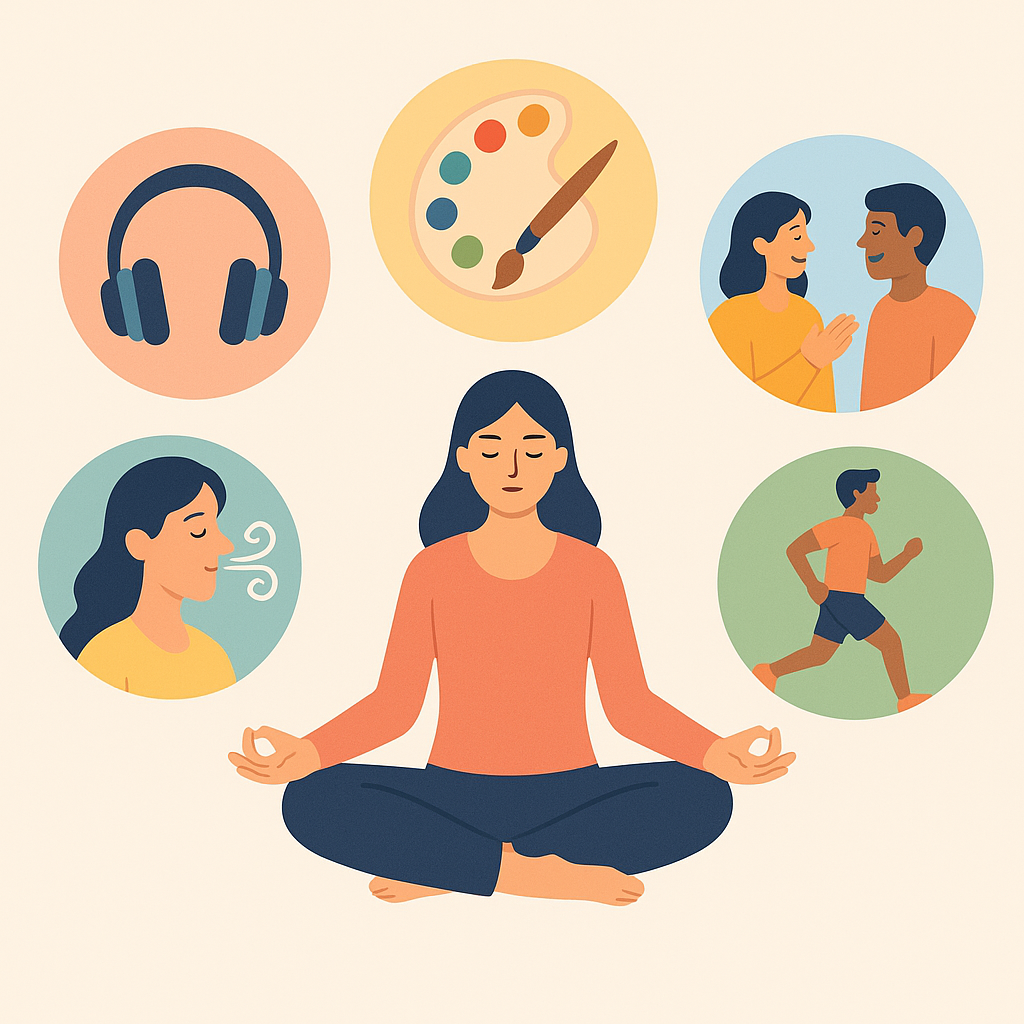
Stress management takes many forms. What matters is finding strategies that help you reset:
Quick fixes: deep breathing, journaling, or a 10-minute meditation
Creative outlets: music, art, cooking, gardening
Structured programs: Mindfulness-Based Stress Reduction (MBSR), shown to improve quality of life
Other pillars: Spending time with friends and getting a good workout in can also be great stress relievers.
There are many healthy ways to manage stress, so what works for someone else might not be the fit for you. Try different methods to see what sticks.
Stop the Substances
It’s very common for people under stress to turn away from healthier methods that often require time or patience and towards quick fixes. Unfortunately, the substances people pick up often hurt them in the long run if taken too much.
For alcohol, the guideline is an average of no more than 1 drink per day for women and 2 for men, though evidence increasingly favors abstinence. An occasional beer or glass of wine isn’t catastrophic, but awareness of intake is important.
It goes beyond just alcohol though.
Tobacco and recreational drugs can quietly erode health too. Even when not addicted, they interfere with the other pillars of a healthy lifestyle and can quickly become very dangerous.
If you or a loved one are struggling with substance use or addiction, there is free, confidential help available 24/7:
SAMHSA National Helpline: 1-800-622-HELP (4357)
They provide information, support, and treatment referrals for those facing substance use disorders.
Living the SMART Life
All the pillars are connected. Poor sleep fuels stress and overeating. Less exercise makes it harder to manage emotions and sleep well. Substances disrupt everything. It’s a vicious cycle—but one you can step out of.
Start small. A 10-minute walk. One extra serving of vegetables. A single call to a friend. Build from there. Use SMART goals to set yourself up for success.
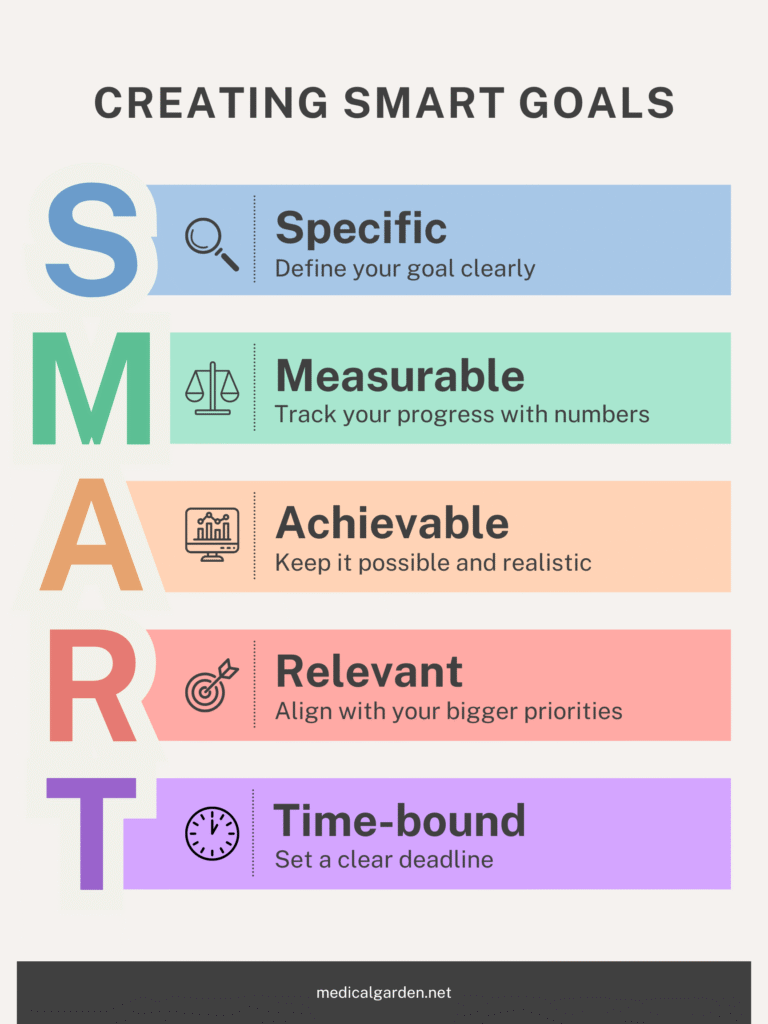
And when setbacks happen—as they always do—don’t quit. Improvement isn’t linear. I’ve had plenty of ups and downs myself, but I try to use slip-ups as learning opportunities to bounce back stronger.
Follow My Journey
If you’d like to follow along as I keep working on these pillars—setbacks and all—subscribe to our newsletter. I’m sharing what I learn as both a doctor and a fellow traveler on the path to healthier living.